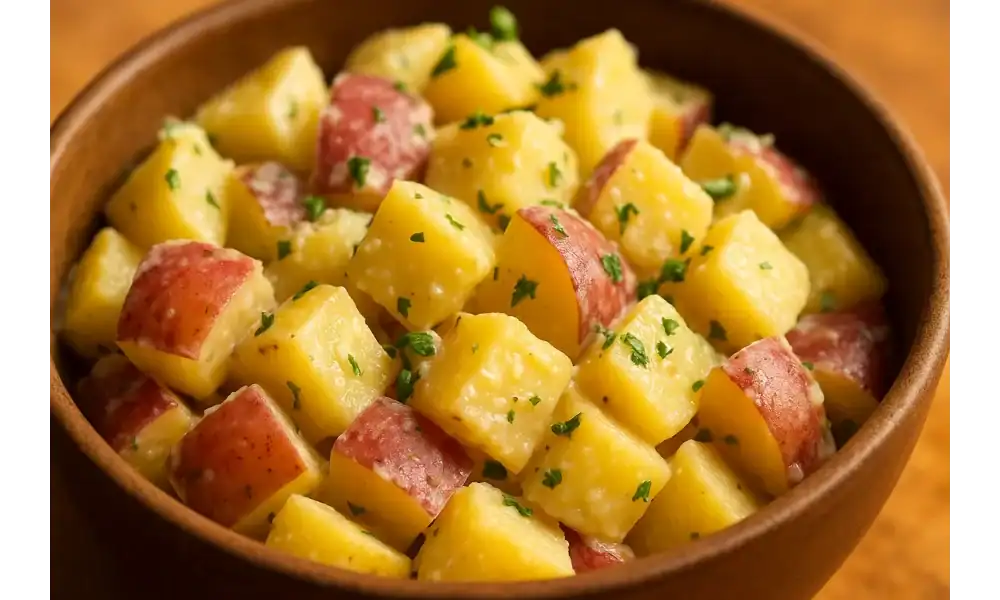
The Undisputed Star of Every Potluck: Decoding the Classic Potato Salad
Few dishes evoke the nostalgia and comfort of a backyard barbecue or a family gathering quite like classic potato salad. It's more than just a side dish; it's a culinary cornerstone, a dependable staple that perfectly complements everything from grilled burgers to a simple deli sandwich. But beneath its humble appearance lies a delicious debate: what makes a truly outstanding potato salad? Is it the creamy dressing, the tangy notes, or the satisfying crunch of fresh vegetables? Ultimately, it comes down to a harmonious balance, where every spoonful delivers both a luscious creaminess and delightful textural variation. The secret often begins with a fundamental choice: russet or waxy potatoes?
The Potato Paradox: Russet's Creaminess vs. Waxy's Firmness
The foundation of any great potato salad, creamy or chunky, is, naturally, the potato itself. Your choice here significantly dictates the final texture of your dish. Understanding the characteristics of different potato types is key to achieving your desired outcome.
The Russet Revolution: For a Creamier, More Absorbent Base
Often associated with fluffy baked potatoes and crispy fries, russet potatoes are starchy varieties. This high starch content means they break down more easily when cooked, resulting in a wonderfully creamy, almost melt-in-your-mouth interior. When used for classic potato salad, russets excel at absorbing the rich dressing, infusing every bite with flavor. The challenge, however, is to cook them just right – fork-tender, but not to the point of mush. With careful handling, russets can provide a beautifully creamy texture while still maintaining discernible, rustic chunks that hold their shape.
- Pros: Excellent flavor absorption, creates a naturally creamier interior for the potato pieces, classic American texture.
- Cons: Can become crumbly or mushy if overcooked or handled too vigorously.
Waxy Wonders: For Distinct Chunks and Firm Bites
On the other end of the spectrum are waxy potatoes, such as Yukon Golds, red bliss, or new potatoes. These varieties have a lower starch and higher moisture content, giving them a firmer, denser flesh that holds its shape remarkably well after cooking. If your vision for the perfect classic potato salad leans towards distinct, non-crumbly chunks that offer a slight resistance to the bite, waxy potatoes are your ideal choice. They won't absorb as much dressing *into* the potato flesh itself, but they provide a fantastic structural integrity, ensuring your salad remains beautifully chunky.
- Pros: Maintain shape exceptionally well, less likely to crumble, provides a satisfying firm texture.
- Cons: Less internal dressing absorption, may require more dressing to coat adequately.
So, which to choose? For a potato salad that is both creamy and chunky, many home cooks find success by either carefully managing russets for chunkiness or embracing waxy potatoes for their firm structure. Some even advocate for a blend, leveraging the creaminess of russets with the stability of waxy varieties for a truly nuanced texture. Ultimately, the 'creamy' often comes from the dressing, while the 'chunky' comes from the potatoes and other mix-ins holding their form.
Crafting the Perfect Dressing: Tang, Creaminess, and Balance
The dressing is the soul of any classic potato salad, binding all the components together with its signature creamy texture and balanced flavor. The goal is a dressing that is rich but never heavy, tangy but not overwhelmingly sour, and perfectly seasoned.
The Mayonnaise Base: Unquestionably Creamy
A good quality mayonnaise forms the luxurious foundation of the dressing, providing that essential creaminess. Whether you prefer a rich full-fat or a lighter version, mayonnaise delivers a smooth, emulsified texture that coats every potato piece and ingredient.
The Tang Factor: Mustard, Lemon, and Pickles
What elevates a good dressing to a great one is its tang. This is where the flavor truly comes alive.
- Mustard: Traditional American potato salad often calls for classic yellow mustard, which imparts a mild, characteristic tang and a subtle hint of spice. For a more assertive, sophisticated zing, Dijon mustard is an excellent alternative, offering a sharper, more complex flavor profile.
- Acid: While some recipes might incorporate a splash of vinegar, many find that fresh lemon juice provides a brighter, cleaner tang without the harshness. It's a natural flavor enhancer that perks up all the other ingredients.
- Dill Pickles: Chopped dill pickles or pickle relish are non-negotiable for many classic potato salad enthusiasts. They contribute not only a fantastic briny tang but also a welcome crunchy texture that contrasts beautifully with the creamy dressing and tender potatoes.
A well-balanced dressing achieves a symphony of flavors: the richness of mayonnaise, the sharp tang of mustard and lemon, and the briny depth of dill pickles. Don't be afraid to taste and adjust the seasonings, adding salt, pepper, or a pinch of sugar if needed to achieve perfect harmony.
Beyond the Spuds: Essential Mix-ins for Crunch and Depth
While potatoes are the star, the supporting cast of mix-ins provides crucial texture, freshness, and bursts of flavor that complete the classic potato salad experience.
- Hard-Boiled Eggs: Creamy, rich, and a staple in many classic recipes, hard-boiled eggs add a wonderful depth and familiar texture. They bulk up the salad, making it even more satisfying. For perfectly cooked, easy-to-peel eggs, consider using eggs that aren't super fresh (a few days old is ideal) and bring them to room temperature before boiling.
- Celery: This humble vegetable is a powerhouse of crunch. Finely diced celery provides a refreshing, crisp counterpoint to the soft potatoes and creamy dressing, preventing the salad from becoming monotonous.
- Onions: The type of onion you choose can significantly impact the flavor.
- Sweet Onion: Milder and less pungent, sweet onions (like Vidalia) offer a subtle bite without overpowering the other ingredients. They're excellent for a balanced flavor profile.
- Mellow White Onion: A good alternative if sweet onions aren't available, providing a gentle onion flavor.
- Scallions/Green Onions: Sliced scallions add a fresh, vibrant, and slightly peppery kick, often used as both a mix-in and a garnish. They're also incredibly easy to regrow at home from their roots!
- Fresh Herbs: Fresh dill is the quintessential herb for classic potato salad, offering a bright, herbaceous note that complements the tanginess of the dressing and pickles. Chives or parsley can also be lovely additions for extra freshness.
These mix-ins aren't just for flavor; they are essential for creating that desired contrast in texture, ensuring every forkful is an exciting combination of creamy, tender, and crunchy elements.
Mastering the Method: Cooking, Mixing, and Chilling for Success
Even with the right ingredients, proper technique is paramount to achieving the best creamy and chunky potato salad.
Perfectly Cooked Potatoes: The Foundation
Whether you choose russets or waxy potatoes, the cooking method is similar.
- Boil Whole (or Large Chunks): Boiling potatoes whole (or in very large chunks) with their skins on helps them retain their shape and prevents them from becoming waterlogged. Start them in cold, salted water and bring to a boil.
- Cook to Fork-Tender: Cook until a fork easily slides into the center with minimal resistance, but don't let them become mushy. Overcooked potatoes will disintegrate.
- Peel While Warm: For ease, peel the potatoes while they are still warm (but cool enough to handle). The skins will often slide right off. Chop into bite-sized pieces—aim for about 1-inch cubes for substantial chunks.
The Art of Gentle Folding
Many recipes suggest mixing the dressing with the potatoes while they are still warm. This is a crucial step! Warm potatoes are more porous and will absorb the dressing's flavors more effectively, leading to a deeply infused and creamy interior. However, gentleness is key. Add the dressing and other mix-ins (eggs, celery, onion, pickles) to the warm potatoes and fold everything together carefully with a rubber spatula or large spoon. Over-mixing will break down the potato chunks, turning your chunky salad into a mashed one.
The Magic of Chilling
Once assembled, cover your potato salad and refrigerate it for at least 2-4 hours, or ideally, overnight. This chilling period is essential. It allows the flavors to meld, deepen, and truly develop, resulting in a more complex and harmonious taste. The potato salad will taste even better the next day, making it an ideal make-ahead dish for any gathering.
Your Perfect Potato Salad Awaits
Whether you lean towards the creamy, absorbent nature of russet potatoes or the firm, distinct chunks of waxy varieties, the journey to the perfect classic potato salad is a rewarding one. By paying attention to your potato choice, crafting a balanced, tangy dressing, incorporating a medley of crunchy mix-ins, and mastering simple cooking and mixing techniques, you can consistently create a side dish that's both creamy and chunky, bursting with flavor, and guaranteed to be a crowd-pleaser. So go ahead, experiment, and discover your own secrets for the best homemade potato salad – the ultimate comfort food for any occasion.
